
Neopolis, Hyderabad’s booming real estate zone, is not just about skyscrapers and luxury apartments anymore. In a meaningful shift toward community-centric development, a reputed real estate developer has proposed to beautify two vital traffic junctions in Neopolis under its Corporate Social Responsibility (CSR) initiative. The offer, submitted to the Hyderabad Metropolitan Development Authority (HMDA), goes beyond basic landscaping; it includes installing heritage-themed sculptures and maintaining these installations for five years without burdening public funds.
As Neopolis rapidly evolves into a premium residential and commercial hub, this initiative comes at a pivotal moment where urban aesthetics and functionality must coexist.
Cultural Identity Meets Urban Planning at Neopolis Junctions:
The builder’s proposal to install cultural sculptures reflects more than beautification; it’s about grounding a futuristic city in its heritage. These sculptures aren’t just decorative. They aim to reflect Telangana’s rich culture, possibly with motifs from Kakatiya architecture or local folklore that residents and visitors alike can identify with.
Why this matters:
- Civic pride: Local art brings a sense of belonging.
- Tourism appeal: Eye-catching junctions can become social media hotspots.
- Pedestrian experience: Well-maintained, art-filled areas enhance walkability and comfort.
By integrating public art, Neopolis could redefine what urban spaces mean not just places to pass through, but places to pause and experience.
Two Strategic Junctions Selected for the Makeover:
The CSR proposal targets two crucial intersections: the rotary near the Neopolis SEZ main road and the triangle junction on the Neopolis–Mokila road. These spots aren’t random; they are traffic-heavy gateways to Neopolis’ tech parks and residential towers.
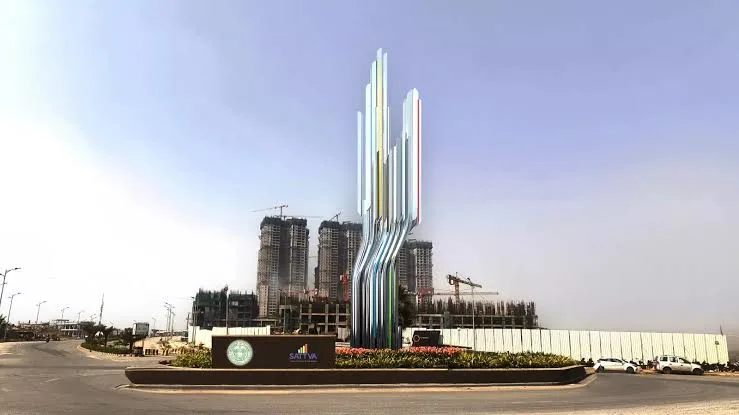
Key details of the locations:
- Rotary near SEZ: This junction sees a constant inflow of employees and tech professionals.
- Triangle near Mokila Road: A transition zone between urban expansion and quieter outskirts.
The choice of these junctions speaks volumes, they are not just intersections, but impression-makers for anyone entering the Neopolis ecosystem.
HMDA’s Role in Encouraging CSR-Driven Urban Enhancements:
The Hyderabad Metropolitan Development Authority (HMDA) has been actively seeking innovative ways to enhance urban aesthetics without exceeding its budget. Encouraging CSR participation from builders marks a strategic shift in how the city approaches urban design and the development of public spaces. In this case, HMDA’s openness to proposals like the one from the Neopolis builder reflects a broader vision: involving private stakeholders to elevate the city’s visual identity. This is especially relevant for emerging zones like Neopolis, where rapid growth requires proactive planning to prevent haphazard development.
By acting as a facilitator, HMDA ensures that beautification projects are aligned with city planning guidelines and public safety norms. Additionally, HMDA’s oversight helps maintain transparency in the execution phase and ensures that the design aesthetics blend with the local context. Such partnerships not only benefit the public but also reduce the administrative burden on government bodies. Moving forward, HMDA may consider developing a formal policy or framework to streamline CSR contributions, making it easier for other builders to step in and support Hyderabad’s evolving urban narrative.
No Burden on Public Funds: Builder to Bear Cost and Maintenance
In a rare win-win deal for the city and its taxpayers, the builder has committed to fully funding the beautification and upkeep of these junctions for the next five years. That means no budget strain on HMDA, which often faces criticism for underfunded public projects.
What’s covered in the CSR commitment:
- Complete installation of sculptures and decor
- Regular cleaning, lighting, and minor repairs
- Seasonal updates or floral arrangements
Such long-term accountability ensures these beautification projects don’t just start strong but stay relevant and functional year after year.
Local Residents Welcome the Change with Cautious Optimism:
For those living and working in Neopolis, the proposal has sparked both excitement and measured hope. Residents appreciate the focus on aesthetics, but many emphasize the need for transparency and quality control during execution.
Residents’ concerns and suggestions:
- Will the installations block pedestrian paths or hinder visibility for drivers?
- Is there a backup plan in case the builder fails to maintain them?
- Can local artists be involved to make it more inclusive?
These are valid questions that HMDA and the builder must address in their upcoming review meetings. Public engagement, after all, is key to any successful civic initiative.
Integrating Sustainability into Junction Design in Neopolis:
While beautification through sculptures and landscaping adds visual charm, sustainability should be an equally important consideration especially in a modern hub like Neopolis. The proposed enhancements offer a unique opportunity to blend aesthetics with eco-conscious design. For instance, using solar-powered lighting at the junctions can reduce energy consumption and operational costs.
Similarly, choosing native plants for landscaping can ensure lower water usage and higher survival rates, reducing the need for frequent maintenance. Additionally, the junctions can be designed with features like previous pavements to manage rainwater runoff or mini bioswales that help in groundwater recharge. Sustainable junction design not only serves environmental goals but also sets an example for other real estate clusters in Hyderabad.
If this CSR initiative incorporates such elements, Neopolis could emerge as a pilot zone for green junctions and public spaces that don’t just look good, but also perform well environmentally. Encouraging these sustainable practices ensures that beautification isn’t just a surface-level effort but part of a deeper, more responsible approach to urban growth.
Why CSR in Urban Design Is Gaining Momentum in Hyderabad?
This proposal is not an isolated event. Across Hyderabad, developers are increasingly stepping up with CSR offers to improve public spaces, parks, roadsides, traffic medians, and more. It’s a shift from traditional donations to infrastructure-enhancing contributions.
What makes this approach effective:
- Low-cost governance: The city saves money while infrastructure improves.
- Brand value: Builders gain goodwill and visibility.
- Faster execution: Private players often operate with fewer delays.
With Neopolis being a high-stakes zone for real estate, this CSR effort might set a precedent that other developers could follow, potentially transforming more pockets of the city without waiting for years of government tenders.
The Future of Neopolis as a Model Smart District:
If implemented well, this beautification project could become a signature case study in smart urban planning where aesthetics, community interest, and economic momentum intersect. Neopolis, already known for its infrastructure and real estate boom, might soon be recognized for its thoughtfulness in urban design too.
There’s also potential to integrate smart features like solar lighting, digital signage, and even community feedback stations in future phases. It’s all about thinking ahead not just in terms of buildings, but in terms of experience.
Conclusion:
The CSR proposal to beautify Neopolis junctions isn’t just about fixing traffic islands or planting flowers. It’s a symbol of how public-private partnerships can reimagine urban spaces with heart and heritage. By combining culture, responsibility, and strategic planning, this initiative offers Hyderabad a refreshing roadmap for sustainable development. The onus now lies with HMDA and the real estate firm to turn this promising idea into an inspiring urban reality one junction at a time.
FAQs:
The builder has proposed to beautify and maintain two key traffic junctions in Neopolis by adding cultural sculptures, landscaping, and other aesthetic elements, all at no cost to HMDA for five years.
The rotary near the Neopolis SEZ main road and the triangle junction on the Neopolis–Mokila road are the two locations targeted in this CSR initiative.
The beautification aims to enhance the visual appeal of the area, improve the pedestrian experience, and contribute to civic pride and cultural connection in the rapidly developing Neopolis zone.
No. The entire cost of design, implementation, and five-year maintenance will be borne by the real estate company under its CSR obligations.
Yes, this kind of CSR engagement is increasingly being encouraged by HMDA and other civic bodies, offering builders a chance to contribute to the city’s growth while also building goodwill.