
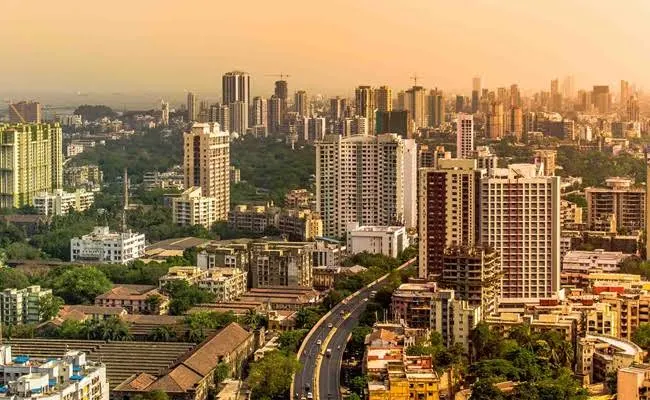
Hyderabad, Telangana once known for its relatively affordable real estate compared to other metros, is now witnessing a price explosion that’s pushing homeownership beyond the reach of its middle-class population. The city’s IT-driven growth, premium housing launches, and skyrocketing land values have created a situation where owning a home in key urban areas feels like an unattainable dream. For young professionals and mid-level salaried employees, the realty boom has become less of an opportunity and more of a financial burden.
Rising Property Prices and Vanishing Affordability:
The real estate market in Hyderabad has seen an unprecedented surge over the last five years. Areas like the Financial District, Kokapet, Tellapur, and Neopolis, which once offered mid-range housing, have now turned into premium zones.
- In 2019, flats in Gachibowli were priced around ₹5,000 per square foot.
- Today, rates have soared to ₹14,000–₹18,000 per square foot.
- Luxury launches in Neopolis are now touching a jaw-dropping ₹20,000 per square foot.
This meteoric rise is squeezing entry-level software engineers and mid-range employees, leaving them priced out of even modest 2BHK flats. The dream of owning a home within city limits is fading, forcing buyers to reconsider their options.
The Plight of Middle-Class Buyers:
The middle class, which forms the backbone of Hyderabad’s workforce, is being pushed toward the city’s fringes. Many families are settling for decades-old, non-gated community flats in areas such as Miyapur, Nizampet, and Kondapur.
Even aging 2BHK units in these zones now cost between ₹1.5 crore and ₹2 crore, an amount that feels like a lifetime achievement for most middle-income households. The burden of high EMIs, rising maintenance costs, and the fear of job insecurity make purchasing property a nerve-wracking decision.
Why Are Prices Skyrocketing?
The price surge isn’t just due to market demand, it’s a mix of several factors:
- Escalating land prices: The IT corridor and nearby areas have limited land available for development.
- Focus on luxury projects: Developers are targeting high-margin premium buyers.
- Decline in affordable housing: Mid-range projects have become rare near key job hubs.
Additionally, government infrastructure projects like metro expansions and improved road connectivity have inadvertently pushed land valuations to new highs, further alienating average buyers.
Impact on Rental Market:
The surge in property prices has inevitably spilled over into Hyderabad’s rental market, making even temporary living arrangements a challenge for the middle class. Areas such as Gachibowli, Madhapur, and Hitech City, which host the majority of IT professionals, have witnessed rents doubling over the past few years. A 2BHK apartment that once cost ₹20,000 per month now often exceeds ₹40,000, creating financial strain for young families and single professionals.
Landlords are capitalizing on the rising demand from those who cannot afford to buy, further driving rental inflation. This trend forces many to look for cheaper options in far-flung suburbs, leading to long commutes and reduced quality of life. With property ownership out of reach and rentals soaring, the middle class is stuck between rising expenses and stagnant wages, intensifying their struggle for stable housing.
The Burden of Loan Interest Rates:
Rising interest rates on home loans are compounding the affordability crisis. Many young families and professionals are delaying their home-buying plans because EMIs are climbing steeply.
Points to note:
- A typical 20-year loan of ₹60–70 lakh now demands a much larger EMI due to higher rates.
- Banks are tightening loan approvals, making it harder for mid-income earners to qualify.
- Families are being forced to either extend their financial commitments or compromise on location and amenities.
Are There Any Affordable Alternatives?
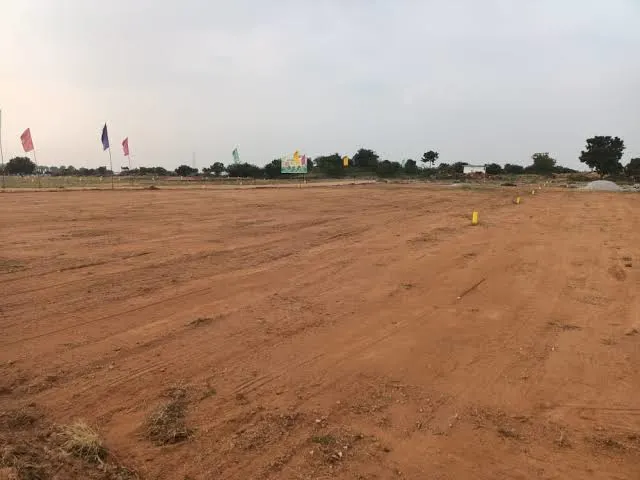
While prime locations are out of reach, peripheral areas such as Bachupally, Kompally, and Shadnagar offer a sliver of hope. These areas still have properties that are relatively affordable compared to IT-centric zones. With proper planning, these regions might become viable residential hubs for the middle class.
However, the trade-off is longer commute times, fewer amenities, and a lack of well-developed social infrastructure. Unless government policies encourage balanced development and affordable housing initiatives, these regions may also face price inflation soon.
Future Real Estate Trends in Hyderabad:
Hyderabad’s real estate market shows no signs of slowing down in the near future, but experts believe a market correction might occur if affordability continues to erode. Upcoming infrastructure projects like the Regional Ring Road (RRR) and metro expansions are expected to push growth further into suburban areas, potentially balancing demand and supply.
Developers may eventually be forced to focus on mid-range housing if luxury projects saturate the market. Technology-driven real estate models, such as co-living and fractional ownership, are also gaining traction as alternatives for younger buyers. However, unless proactive steps are taken to control speculative land pricing and promote affordable housing schemes, the middle class might remain on the periphery of Hyderabad’s booming property landscape.
Conclusion:
Hyderabad’s real estate boom reflects the city’s rapid economic growth, but it’s leaving the middle class on the sidelines. For many, homeownership has shifted from being a milestone to a distant dream. Without intervention such as affordable housing policies, loan subsidies, and better regulation the gap between premium realty and middle-class affordability will only widen.
FAQs:
Property prices have surged due to IT growth, high land costs, luxury-focused projects, and improved infrastructure driving demand in prime areas.
Peripheral zones like Bachupally, Kompally, and Shadnagar offer slightly lower prices compared to IT corridor hotspots, though prices are rising there too.
Rising loan interest rates have significantly increased EMI amounts, making it harder for mid-range buyers to afford homes in premium locations.
Many families are considering older, non-gated flats in areas like Miyapur and Nizampet, though even these now command steep prices of ₹1.5–₹2 crore.
Policies promoting affordable housing projects, subsidized loans, and strategic land releases near IT corridors could help bring prices within reach for the middle class.